Is Your Heating and Air System Costing You More Than It Should?
In the modern home, a reliable heating and air service is essential for maintaining a comfortable living environment year-round. However, many homeowners overlook the true cost of operating these systems on a daily basis. By taking a closer look at your energy habits, you can find simple yet effective ways to reduce your monthly utility bills.
Understanding Your Current Energy Bills
Reviewing Past Utility Bills
The first step in determining whether your heating and air service is costing you more than it should is to thoroughly review your past utility bills. By analyzing these bills, you can identify trends that may indicate inefficiencies or unnecessary expenditures. Look for unusual spikes or increases in costs that cannot be explained by changes in weather or energy needs. Tracking these trends over the past year can help you identify specific times when your energy usage significantly increased, prompting a deeper investigation into the root causes.
Pay special attention to billing cycles that coincide with peak seasons of usage, such as summer and winter, when systems are likely working hardest. During these times, it is easy to dismiss higher bills as a natural result of increased demand. However, scrutinizing the specific energy consumption figures on your bills can help you identify potential inefficiencies. By identifying these patterns, you can avoid blanket assumptions and instead make informed adjustments that better align with your actual consumption needs.
Comparing with Average Energy Costs
Once you have established an understanding of your own energy usage patterns, the next logical step is to compare your energy costs with similar homes in your area. This comparison can provide valuable insight into whether your system is costlier than average. To make this comparison, gather data on energy costs for homes with similar sizes and layouts, using available resources such as online databases, talking to neighbors, or consulting local utility reports. This information will serve as a benchmark against which you can assess your current expenses.
When comparing energy costs, remember that many factors can affect the results, including differences in family sizes, weather conditions, and personal preferences regarding temperature settings. Nonetheless, understanding the general price range for comparable homes gives you a clearer idea of what to expect. If costs are consistently higher than average, this strongly indicates that you might need a professional heating and air service to evaluate your unit. You can use this information to motivate changes that will impact your energy costs directly.
Identifying Peak Usage Times
Another important aspect of evaluating your energy costs is identifying peak usage times when your systems consume the most energy. By examining the times of day or specific months when usage is highest, you may uncover opportunities to optimize your system's operation. High usage times are often tied to increased outdoor temperatures in summer or significant drops in winter, but they can also indicate behavioral patterns within your home. Increased activity during evenings or weekends can lead to higher energy use, suggesting the potential for scheduling adjustments to reduce expenses.
One effective way to identify peak usage times is by utilizing smart meters or conducting energy audits, which precisely capture your consumption patterns. These tools provide disaggregated data on energy use throughout the day, allowing you to pinpoint when peaks occur and consider alternative methods to manage them. Staggered usage schedules for appliances or leveraging natural ventilation during certain hours can yield savings. Your understanding of when peak usage occurs helps you strategize to spread out energy demands.
Evaluating System Efficiency
Assessing System Age and Model
One of the primary factors influencing the efficiency of your equipment is its age and model. Older systems, while often still functional, may not possess the same energy efficiency standards as newer models. As technology advances, improvements in HVAC design result in systems that consume less energy while delivering comparable performance. By comparing your current system's specifications with modern options, you can determine whether it is due for an upgrade. Investing in efficient systems can lead to significant savings on energy costs.
If you decide that replacing your old equipment is the best route, it is important to factor in the installation timeline. According to HomeGuide, HVAC installation generally takes 1 to 2 days when existing ductwork can be used, but the process may take 3 to 5 days if new ductwork needs to be installed. This indicates that upfront costs and installation time are considerations, but the potential for improved functionality and reduced energy bills offers significant advantages. Carefully assess total costs against projected savings.
Conducting Regular Maintenance
The importance of conducting regular maintenance on your equipment cannot be overstated. Routine maintenance checks foster optimal system performance, ensuring components are clean, well-lubricated, and fully operational. Regular inspections identify existing issues before they escalate, preventing costly repairs or replacements in the long run. Despite the seemingly modest nature of these maintenance activities, they contribute significantly to prolonging the lifespan of your system while enhancing overall efficiency.
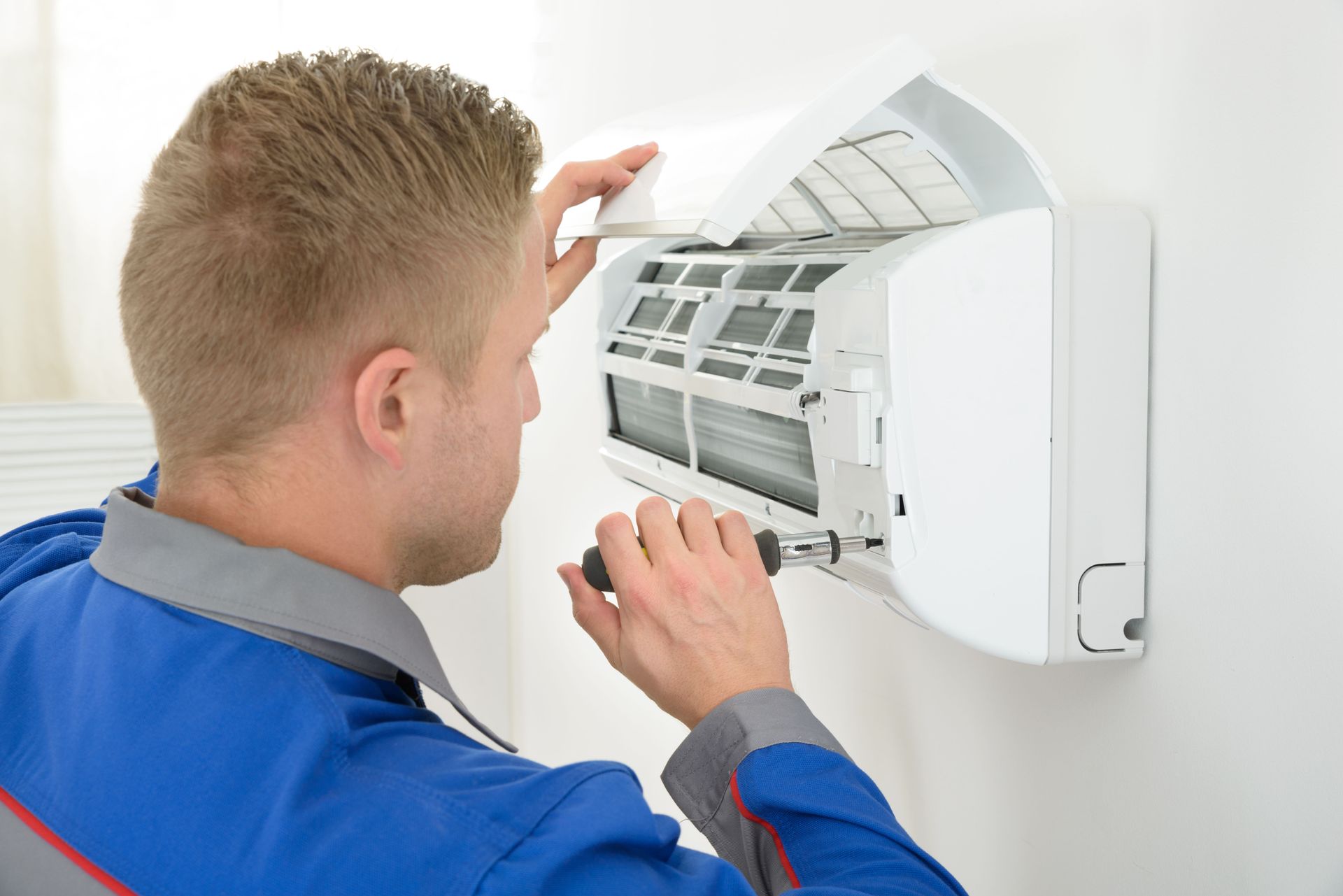
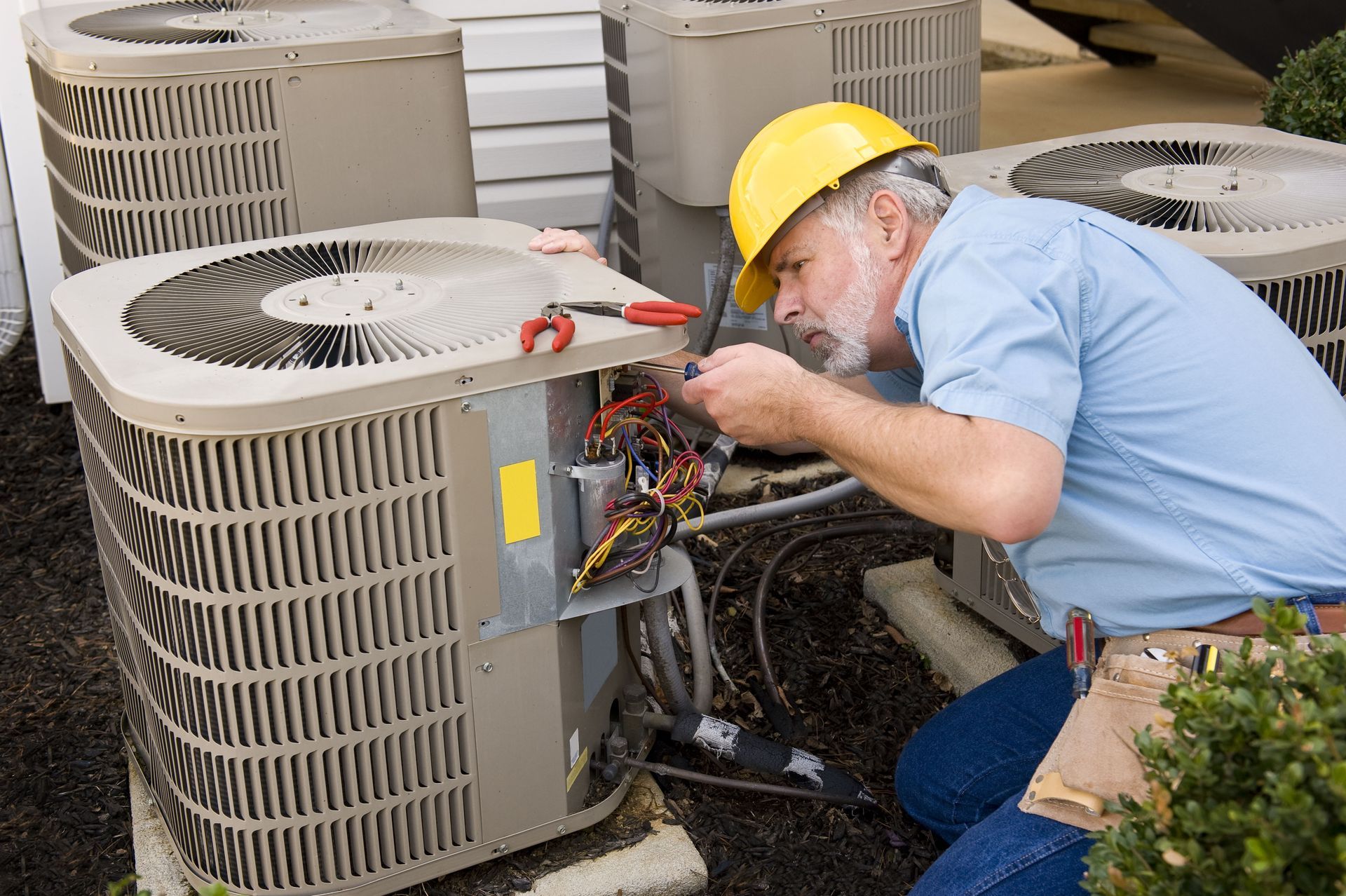
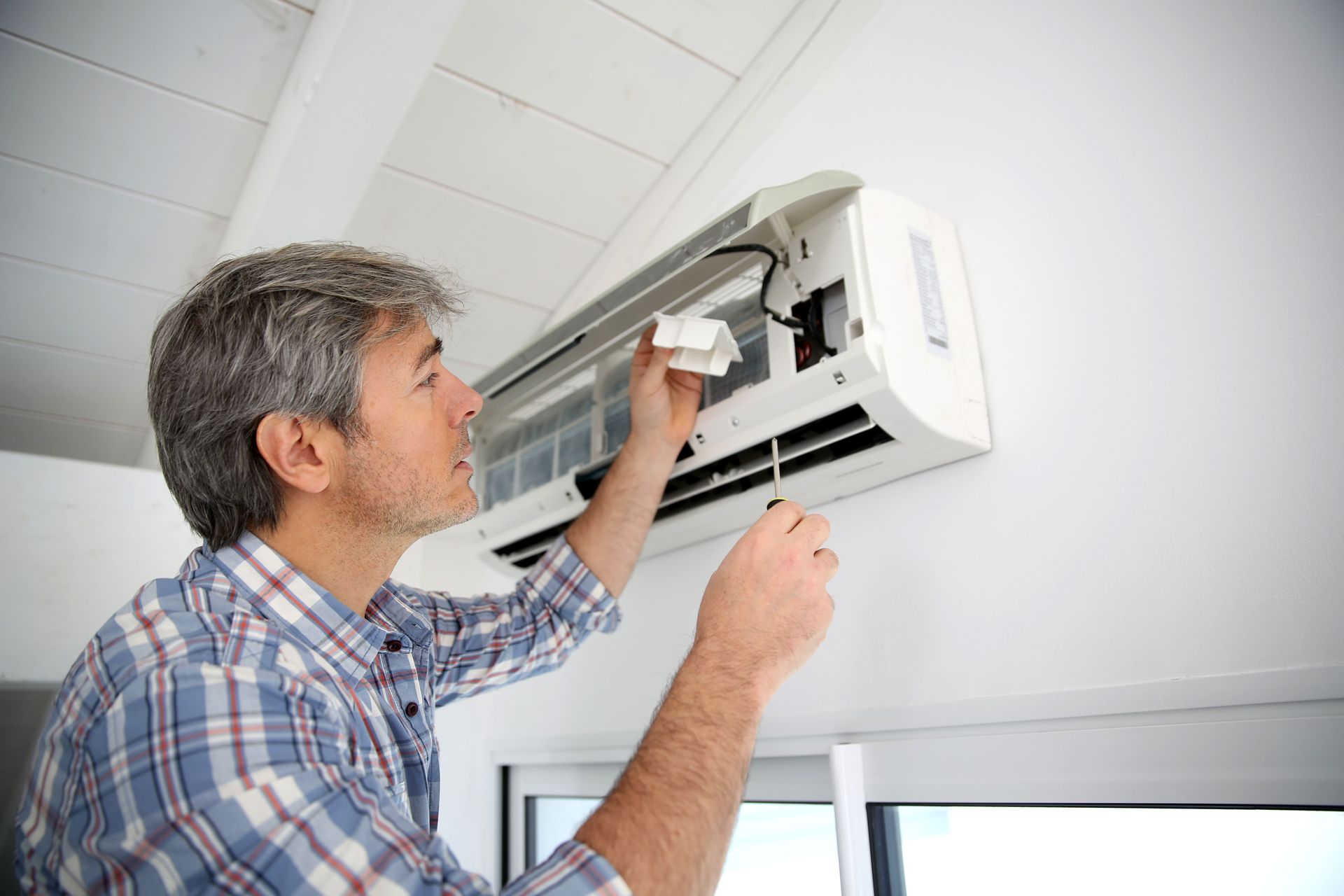
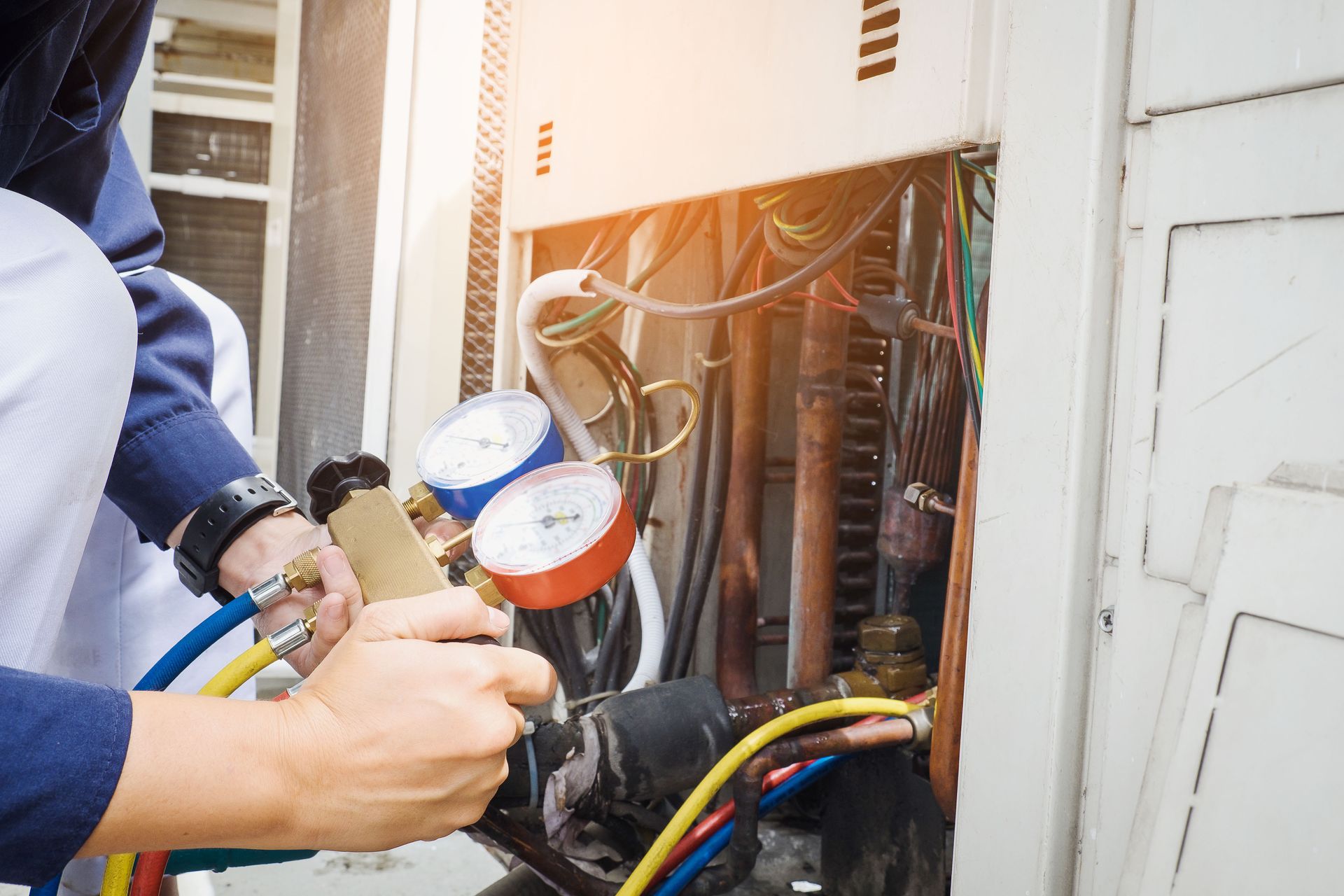
Typically, inspection is performed by an HVAC professional who assesses critical components and advises on any necessary repairs or adjustments. Reaching out to a reliable heating and air service is the best way to schedule these essential bi-annual checkups. Maintenance tasks may include changing or cleaning filters, examining thermostats and electrical connections, and inspecting condenser coils and fans. By addressing issues proactively, you not only maintain your system's integrity but also ensure it performs at peak efficiency.
Inspecting for Ductwork Issues
In addition to regular maintenance, inspecting your ductwork for potential issues is crucial to ensuring an efficient system. Ductwork facilitates the distribution of conditioned air throughout your home, making its integrity vital for optimal system performance. Common issues such as leaks, blockages, or improperly sealed connections can lead to energy loss, reduced air quality, and increased utility bills. Addressing ductwork issues is an essential part of maintaining a functional and cost-effective setup.
A thorough inspection of ductwork involves checking for visible signs of wear, damage, or disconnection. If you suspect your ducts are leaking, calling a professional heating and air service can help identify less visible issues within the network. Specialized equipment such as smoke pencils or pressure gauges may be used by technicians to ensure accurate assessments and targeted repairs. Since efficient ductwork plays a critical role in your system's overall performance, maintaining its integrity maximizes energy savings.
Checking Windows and Doors
Windows and doors are crucial points of focus when identifying inefficiencies in home insulation, given their potential to allow drafts and heat loss. Poor seals around these openings contribute to substantial air leakage, leading to increased energy costs as stress is placed on your HVAC unit to compensate. Inspect windows for signs of wear, such as broken seals, cracked panes, or damaged caulking, which indicate a need for repairs. Taking corrective actions on windows and doors significantly enhances overall energy efficiency.
To further address insulation concerns around windows and doors, consider easy-to-implement solutions such as applying weather strips, insulating film, or caulk to seal gaps efficiently. These methods are cost-effective and require minimal time to execute, yet they deliver lasting improvements by addressing significant contributors to heat loss. Installing storm windows or doors provides a supplementary protective layer that operates as an air buffer between the interior and exterior environments. If you are unsure where leaks are occurring, a local heating and air service can perform an audit.
Evaluating your energy bills and system efficiency is a vital step toward reducing unnecessary costs in your home. By taking the time to monitor your usage and schedule regular maintenance, you can ensure your equipment operates at peak performance throughout the year. If you find that your bills remain unexpectedly high despite your best efforts, it is highly recommended to consult with a professional heating and air service for a comprehensive assessment. An experienced heating and air service can pinpoint hidden inefficiencies and recommend the most cost-effective solutions for your specific needs. For more information about heating and air service, contact C & G Heating and Air, Inc.
Share On: