The Benefits of Local Heating and Air Conditioning During Season Changes
Local heating and air conditioning systems offer numerous advantages as seasons change, affecting energy efficiency, comfort, and environmental health. This article explores the key benefits of utilizing local systems for heating and air conditioning throughout different seasons. It delves into aspects like energy efficiency, improved comfort and indoor air quality, reliability, environmental benefits, economic advantages for local communities, and technological advancements. With the transition from cold winters to hot summers, the ability of local systems to provide optimum performance makes them an invaluable asset for homeowners and businesses alike. By investing in these advanced systems, individuals not only enhance personal comfort but also reap broader benefits that contribute positively to society and the planet.
Increasing Energy Efficiency
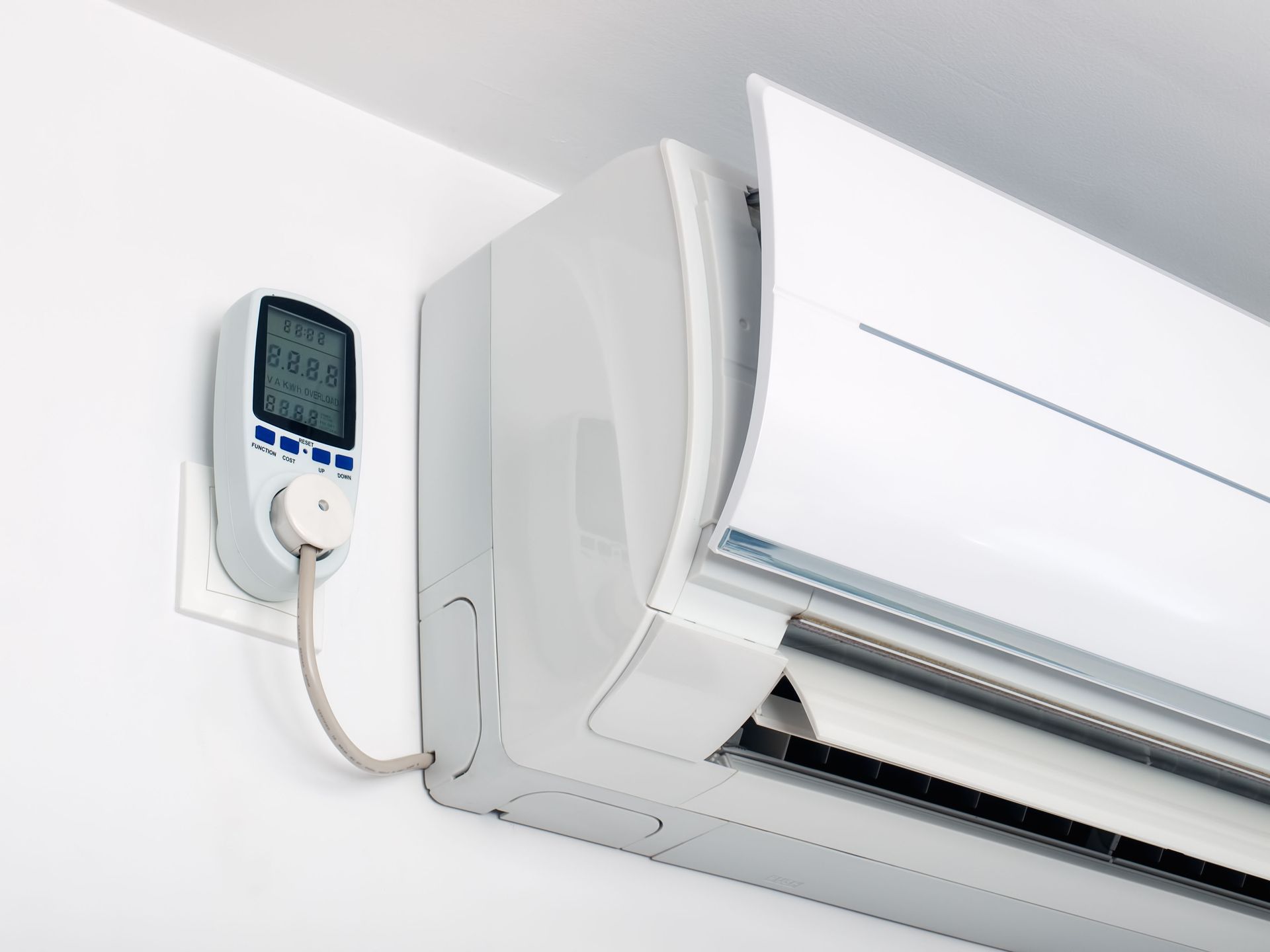
Local heating and air conditioning systems are designed to be highly efficient, optimizing the energy they use to provide maximum output. By tailoring their operation to specific climate conditions and the needs of the building, these systems minimize wasted energy, helping to reduce overall consumption. Enhanced energy efficiency is achieved through advanced components such as variable speed fans, which adjust their operation based on real-time heating or cooling needs. This tailored energy usage not only conserves resources but also cuts down energy costs, offering financial relief to homeowners and businesses alike. According to Electrek, 20% of Americans have HVAC systems that cost the homeowner an extra $882 annually on average, to keep their homes cool, almost four times as much as the most efficient similar homes.
Lowering Energy Costs
One of the most compelling reasons to adopt local heating and air conditioning systems is the potential for significant reductions in energy bills. Systems designed with energy-efficient technology consume less power, leading to lower utility expenses for homeowners and businesses. The savings accrued from reduced operational costs can be substantial, freeing up resources for other vital expenditures. Moreover, incentivizing these systems could catalyze community-wide energy savings, benefiting the local economy as well. With careful consideration of energy consumption patterns and proactive system upgrades, those who integrate modern, local HVAC solutions stand to maintain higher levels of home comfort at a fraction of the traditional cost.
Managing Seasonal Energy Demand
Managing the demand for seasonal energy is crucial for maintaining balance in energy grids and avoiding potential shortages. Local heating and air conditioning systems are engineered to handle fluctuating demands by adapting to climate conditions and individual user preferences. During peak heating or cooling seasons, these systems operate efficiently, delivering the necessary comfort without overtaxing power supplies. This capability ensures consistent indoor climates and contributes to the overall stability of energy infrastructures. Effective demand management through local systems supports environmental sustainability and reduces the likelihood of grid failures during extreme weather conditions.
Advancing Energy-Efficient Technologies
At the forefront of local heating and air conditioning benefits are the advanced technologies that come with modern systems. High-efficiency compressors, smart thermostats, and improved heat exchangers are just a few innovations that local systems offer to boost overall performance. Notably, the adoption of inverter technology allows systems to operate at variable speeds, enhancing both efficiency and comfort. As these technologies advance, so too does the potential for energy savings, with every technological breakthrough reinforcing the case for more sustainable HVAC solutions. Prioritizing energy efficiency not only benefits individual users but also promotes broader environmental and economic benefits.
Customizing Your Climate
The ability to customize climate control is one of the most appealing features of local heating and air conditioning systems. These systems offer precision in temperature regulation, allowing tailored settings for different rooms or areas within a building. Customizable control supports energy efficiency by ensuring only necessary energy is used to heat or cool specific spaces, preventing waste. This feature is particularly beneficial in larger homes or commercial buildings where usage patterns might vary widely. Personalization in climate control increases user satisfaction, as individuals gain the ability to enjoy optimal comfort levels tailored to their unique preferences.
Enhancing Comfort and Indoor Air Quality
Local heating and air conditioning systems maintain consistent indoor temperatures, which is essential for comfort and health. These systems are designed to handle variations in outdoor temperatures effectively, ensuring that indoor environments remain stable regardless of external conditions. Consistency in indoor temperature minimizes stress on the human body, reducing the likelihood of health issues linked to fluctuating temperatures. Furthermore, a stable indoor climate contributes positively to overall mental well-being by providing a comfortable living and working space. The precision and reliability of local systems translate into a more predictable and comfortable indoor environment for occupants.
Improving Humidity Control
Maintaining proper humidity levels is crucial for both health and comfort, and local HVAC systems excel in this area. These systems incorporate dehumidifiers and humidifiers to regulate indoor air moisture, which can prevent problems like mold growth and respiratory issues. Controlled humidity levels contribute to preserving the structural integrity of a building and protecting its furnishings from damage. By keeping humidity levels within an optimal range, local systems enhance the overall quality of indoor air, contributing to a healthier living environment. With improved humidity control, users experience increased comfort during both warm and cold seasons.
Enhancing Air Filtration Systems
Modern local heating and air conditioning systems feature advanced air filtration technologies that significantly enhance indoor air quality. These filtration systems are designed to remove airborne pollutants such as dust, pollen, and allergens, creating a cleaner environment for building occupants. High-efficiency particulate air (HEPA) filters, commonly found in local systems, capture microscopic particles, reducing exposure to potentially harmful air contaminants. Improved air quality is particularly beneficial for individuals with allergies or respiratory conditions, as it alleviates symptoms and supports overall health. By investing in systems with superior filtration capabilities, users can enjoy a safer, healthier indoor atmosphere.
Reducing Indoor Allergens
Local heating and air conditioning systems play a significant role in reducing indoor allergens, which is crucial for maintaining a healthy indoor environment. These systems actively filter and circulate air, removing common allergens such as pet dander, pollen, and dust mites from indoor spaces. The reduction of allergens not only improves air quality but also provides relief for individuals with allergies or asthma, improving their quality of life. Regular maintenance and filter replacements ensure that systems continue to effectively trap and eliminate allergens, maintaining their efficacy over time. As a result, users experience a cleaner, more comfortable indoor environment with fewer health-related disruptions.
Settings Tailored to Comfort
Local heating and air conditioning systems offer customized comfort settings, allowing users to personalize their indoor climate experience. These adjustable settings enable individuals to set specific temperatures for different zones or times of the day, accommodating varied preferences. By providing tailored comfort, local systems increase user satisfaction, as each occupant can enjoy optimal conditions suited to their needs. This level of personalization enhances overall comfort and productivity, particularly in shared spaces where preferences may differ. With advanced control options, local systems empower users to create a comfortable and efficient indoor environment that suits their lifestyle.
Local heating and air conditioning systems provide a comprehensive solution for maintaining comfort, efficiency, and environmental responsibility throughout the year. From lowering energy costs and managing seasonal demand to improving indoor air quality and humidity control, these systems deliver benefits that extend far beyond simple temperature regulation. Their advanced technologies, customizable settings, and enhanced filtration capabilities ensure that homes and businesses remain comfortable, healthy, and energy-efficient in every season. By investing in modern, locally optimized HVAC systems, property owners not only gain greater control over their indoor environments but also contribute to stronger energy infrastructure, reduced environmental impact, and long-term economic savings. If you are interested in maximizing your heating and air conditioning systems in the Charlottesville, VA area, contact C & G Heating and Air, Inc today.
Share On: