Repair vs. Replace: How to Decide When It’s Time for a New AC
Summers can place significant demand on home cooling systems, often revealing issues that were not noticeable during milder seasons. When a unit starts blowing warm air, making strange sounds, or failing to maintain comfortable indoor temperatures, homeowners face an important choice. Determining whether to repair an existing setup or invest in a full replacement involves weighing several factors, including system age, operational costs, and overall reliability. Navigating these choices requires understanding how different variables affect long-term comfort and household finances. By evaluating key indicators, homeowners can make informed decisions that ensure efficient, reliable cooling throughout the hottest months while maintaining a dependable heating and air environment in the home.
Evaluating the Age of Your Cooling Equipment
The lifespan of a cooling system is one of the most critical factors when choosing between service or a complete overhaul. Most traditional cooling systems are designed to operate efficiently for roughly ten to fifteen years. As equipment nears or surpasses this age range, key components begin to degrade, leading to reduced efficiency, frequent operational failures, and a higher likelihood of sudden breakdowns. Even if an older unit continues to function, it often requires substantially more energy to produce the same level of comfort as newer models. Upgrading older equipment helps restore consistent performance, reduces overall operational stress, and keeps the overall heating and air system running smoothly throughout every season.
Analyzing the Frequency and Cost of Repairs
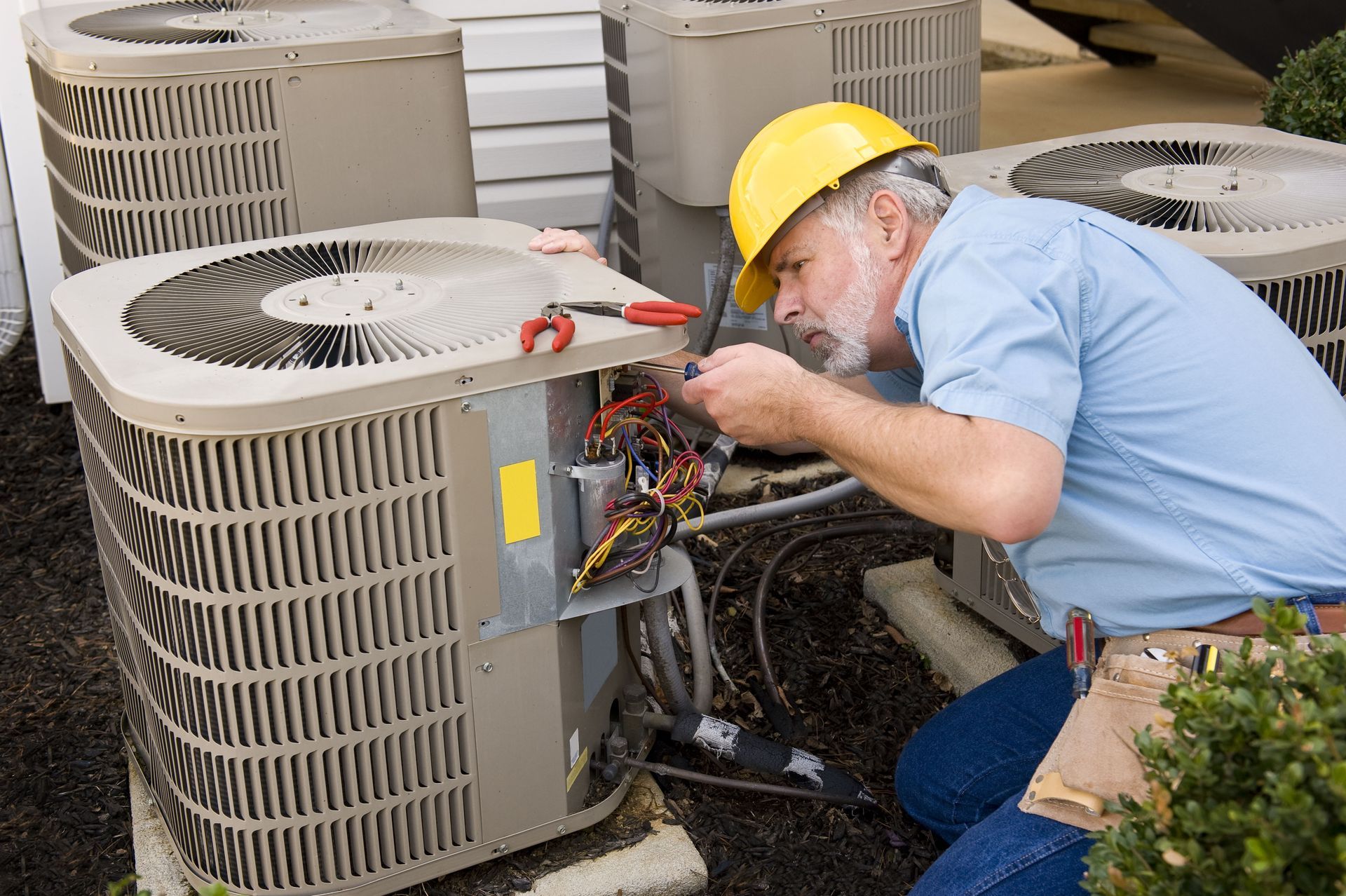
Occasional maintenance or minor component fixes are a normal part of owning any mechanical equipment. However, when service calls become a routine occurrence, the cumulative costs can quickly exceed the value of keeping the current equipment. Homeowners should track how often technicians need to inspect or repair the system each year. According to HomeGuide, replacing an HVAC system is typically advised once repair expenses reach 50% or more of the cost of a new unit. Investing in new equipment eliminates the constant cycle of emergency fixes, avoids unexpected emergency expenses during peak seasons, and brings long-term peace of mind regarding household heating and air quality.
Monitoring Unexplained Increases in Energy Bills
A sudden or gradual rise in monthly utility bills without a corresponding change in usage habits often points to declining system efficiency. As mechanical parts wear down, motors and compressors must work significantly harder to maintain target temperatures. This extra strain directly translates to increased electricity consumption every month, resulting in surprisingly high monthly expenses. Installing a modern, energy-efficient system lowers monthly operational expenses while delivering superior temperature control throughout the living space. Managing utility costs effectively relies on maintaining an efficient heating and air setup that does not waste electricity during peak operation times.
Recognizing Inconsistent Temperatures and Poor Airflow
When certain areas of a house remain uncomfortably warm while other rooms stay excessively cold, the cooling system is failing to distribute air evenly. Weak airflow from vents can indicate issues with the blower motor, ductwork, or internal components. Inconsistent performance makes daily living uncomfortable and forces the equipment to run for extended periods without achieving balance. Addressing these airflow imbalances promptly prevents unnecessary strain on major mechanical parts and keeps energy costs under control. An updated system restores proper circulation throughout the entire floor plan, providing uniform comfort across every room and optimizing the entire residential heating and air configuration.
Understanding Seasonal Energy Efficiency Ratio Standards
Cooling efficiency is measured using standard ratings that reflect how effectively equipment converts electricity into cooling output. Older models often operate under outdated efficiency standards, consuming far more energy than modern alternatives. Modern systems incorporate advanced compressor technology, variable-speed fans, and eco-friendly refrigerants that meet strict current standards. Upgrading to a modern system reduces environmental impact, enhances overall home comfort, and lowers seasonal operating costs over time. Selecting equipment with updated efficiency standards enhances the overall performance of the residential heating and air infrastructure.
Addressing R-22 Refrigerant Phaseout Challenges
Older cooling units frequently rely on R-22 refrigerant, a substance that has been phased out due to environmental regulations. Because production and import of R-22 have ceased, sourcing this refrigerant for leaks or recharges has become increasingly expensive and difficult to locate. Servicing a system that uses obsolete refrigerant can result in exorbitant costs for simple maintenance tasks. Moving to a modern system that utilizes current, environmentally compliant refrigerants eliminates the high cost of outdated chemicals, prevents unexpected cooling interruptions, and ensures long-term viability for the household heating and air system.
Evaluating Household Humidity Control Capabilities
A properly functioning cooling unit does more than just lower indoor air temperatures; it plays a critical role in managing indoor moisture levels. During humid summer months, effective moisture removal is essential for preventing muggy indoor air, sticky surfaces, and potential mold growth. Aging or undersized equipment often struggles to extract adequate humidity from circulating air. A new installation properly manages indoor moisture, protecting structural elements, preserving furniture, and improving indoor comfort through integrated heating and air solutions.
Identifying Unusual Noises and Persistent Odors
Unusual sounds such as grinding, squealing, banging, or persistent rattling are clear indicators of mechanical failure within a cooling system. Similarly, burning smells or musty odors coming from the air vents point to electrical issues, overheating components, or moisture accumulation inside the ductwork. Leaving these symptoms unaddressed can cause minor component issues to escalate into extensive system damage. Promptly addressing unexpected odors and noises helps protect indoor air quality and prevents costly emergency repairs. Ignoring these warning signs can lead to total system failure or safety hazards. Replacing compromised equipment addresses these issues directly, ensuring quiet, clean, healthy, and safe operation for all home heating and air needs.
Evaluating Safety and Environmental Considerations
Ensuring home safety requires regular assessment of major mechanical appliances. Electrical shorts, worn wiring, and cracked heat exchangers in combined systems pose genuine safety risks to occupants. Additionally, older units are less environmentally friendly due to higher energy demands and potential chemical leaks. Replacing outdated equipment with modern options mitigates safety risks, improves household air quality, and reduces the home's overall carbon footprint. Prioritizing safety and environmental impact supports a healthier living environment supported by modern heating and air technology.
Comparing Initial Costs Against Long-Term Value
While installing a new cooling system requires an upfront financial investment, evaluating long-term value provides important perspective. Continuing to patch up an old unit offers short-term relief but leads to recurring expenses, high utility bills, and unexpected breakdowns. Conversely, modern equipment comes with manufacturer warranties, lower monthly operating costs, and enhanced home resale value. Additionally, upgraded systems significantly reduce energy waste, providing steady monthly savings throughout their lifespan. Balancing initial purchase costs against years of dependable service demonstrates the financial benefits of upgrading the residential heating and air setup.
Deciding between servicing an existing cooling system and investing in a modern replacement requires careful consideration of equipment age, repair history, utility expenses, and overall home comfort. Continuing to pay for frequent fixes on an outdated unit often costs more over a period of time than upgrading to modern, energy-efficient equipment. An updated installation resolves persistent airflow issues, improves indoor air quality, and lowers monthly energy bills. For personalized guidance, professional evaluation, and reliable installation services tailored to your home, contact C & G Heating and Air, Inc today to schedule a consultation with an experienced professional.
Share On: