How HVAC Services Improve Indoor Air Quality
Breathing clean air inside a residential or commercial property is essential for maintaining optimal respiratory health, cognitive function, and overall physical well-being. Many individuals spend the vast majority of their daily lives indoors, remaining completely unaware of the invisible airborne hazards circulating through their living spaces every minute. Dust mites, microscopic mold spores, pet dander, seasonal pollen, and volatile organic compounds frequently accumulate within modern, tightly sealed buildings, creating a stagnant environment that can exacerbate seasonal allergies or trigger severe asthma attacks. While standard cleaning routines like vacuuming rugs and dusting shelves can eliminate surface debris, these efforts fail to address the suspended particulate matter floating throughout the atmosphere. Achieving a truly pristine indoor environment requires a comprehensive approach that targets the root causes of airborne contamination. Professional HVAC services provide the specialized knowledge, advanced equipment, and strategic interventions necessary to transform polluted indoor environments into sanctuaries of pure, breathable air.
Upgrading Air Filtration Standards
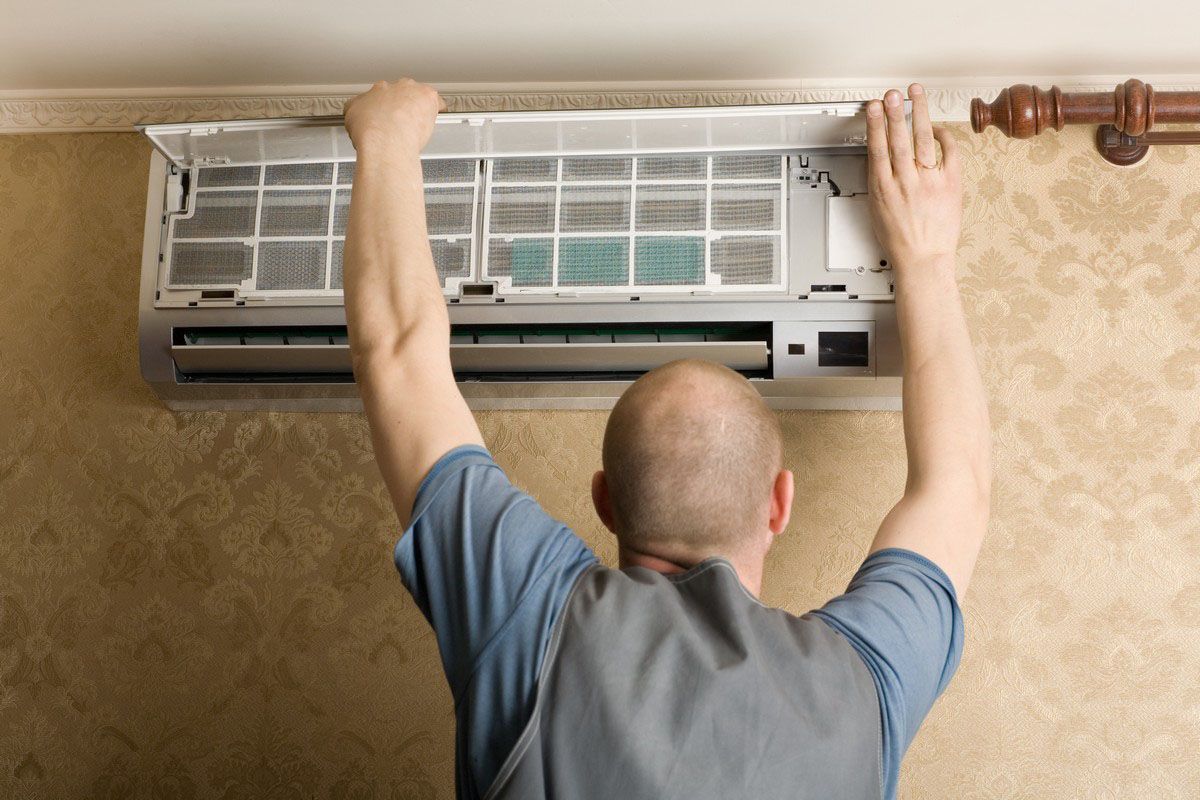
Air filters serve as the primary defensive barrier against floating debris, capturing harmful particles before they can enter the shared breathing space of a household. Over extended periods of continuous operation, standard filters become heavily laden with captured dust, pet hair, and airborne fibers, which drastically restricts overall system airflow and diminishes purification capabilities. When a filter reaches maximum capacity, the restricted movement of air allows fine particulate matter to bypass the barrier entirely, recirculating throughout the entire property and settling on furniture or entering human lungs. Scheduling routine inspections ensures that these essential components undergo timely replacement, preventing the dangerous buildup of allergens and maintaining a steady flow of purified air. Skilled technicians can accurately evaluate the specific filtration needs of a residence, taking into account factors such as family pets, localized pollen counts, and preexisting respiratory sensitivities among the occupants.
Upgrading to high-efficiency particulate media represents another highly effective strategy for capturing even smaller microscopic organisms and chemical pollutants that standard products let pass. However, dense filtration materials can inadvertently create significant resistance against the blower motor, potentially causing equipment strain or catastrophic system failure if improperly matched to the specific system configuration. Utilizing professional HVAC services allows property owners to safely navigate these compatibility challenges, ensuring that the selected media maximizes pollutant capture without compromising mechanical performance. Experts can integrate advanced purification systems, such as ultraviolet germicidal irradiation lamps or electronic air cleaners, directly into the existing infrastructure. These sophisticated additions work continuously to neutralize airborne bacteria, viral pathogens, and mold spores, providing an exceptional layer of protection that standard consumer products simply cannot replicate.
Controlling Indoor Moisture Levels
Excessive moisture within an enclosed structure creates an ideal breeding ground for biological contaminants, particularly toxic mold colonies and microscopic dust mites. When relative humidity levels rise excessively during warm seasonal periods, condensation forms on cold surfaces, hidden wall cavities, and window frames, fostering rapid fungal growth that releases harmful spores into the breathing zone. Conversely, excessively dry conditions during colder periods can cause delicate human nasal passages to dry out, increasing vulnerability to viral infections and respiratory irritation. Managing these moisture fluctuations requires a balanced approach that maintains stable environmental conditions throughout every room in the house. Well-regulated humidity not only protects the structural integrity of the building materials but also directly neutralizes the environmental factors that allow allergens to flourish.
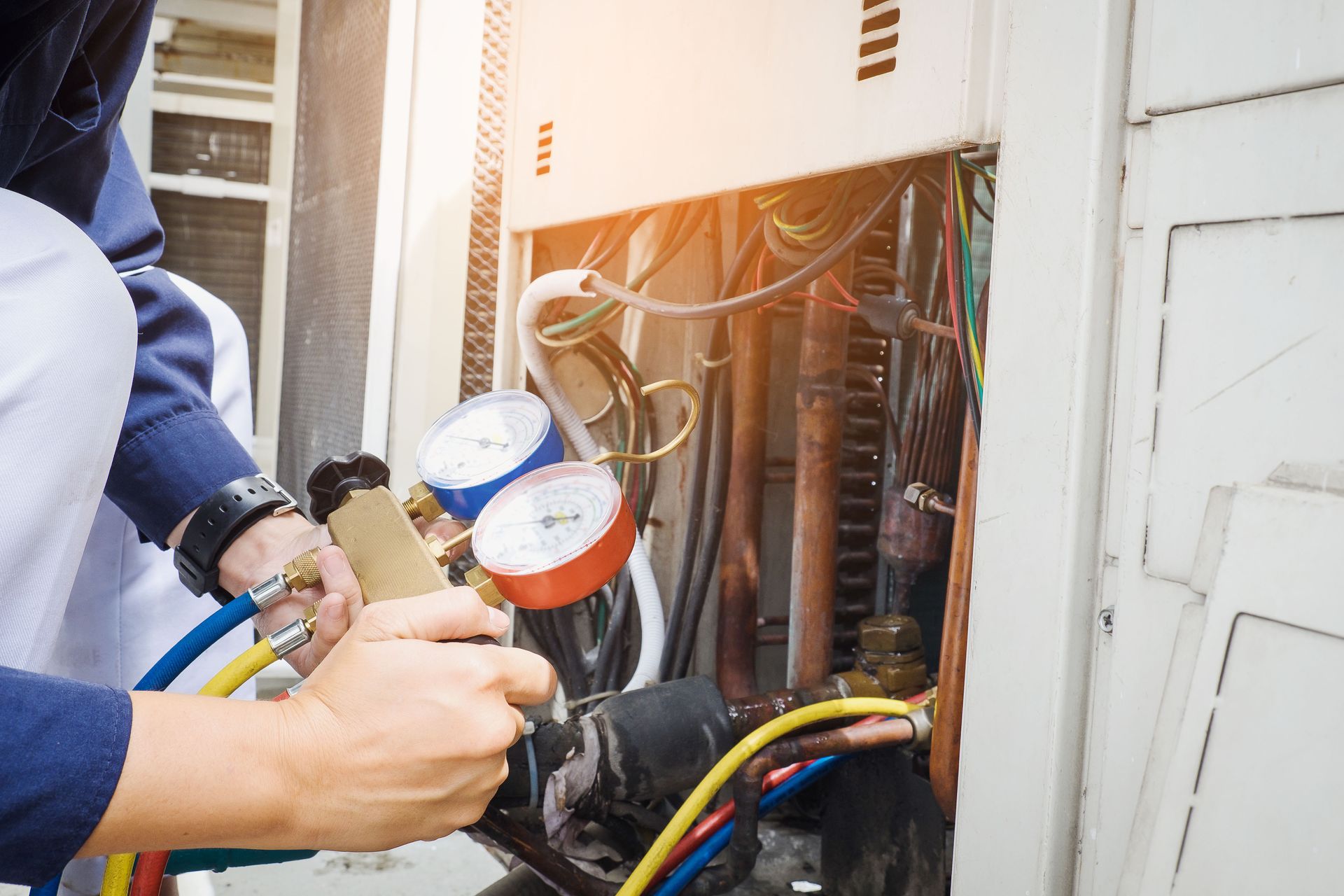
Specialized environmental equipment, including whole-house dehumidifiers and dedicated humidification systems, can be seamlessly integrated into a centralized comfort system to maintain ideal moisture parameters year-round. Relying on comprehensive HVAC services guarantees that these moisture-control systems receive precise calibration and consistent oversight, preventing the sudden spikes or drops that encourage pollutant proliferation. Technicians possess the diagnostic instruments required to measure moisture levels across distinct zones, identifying hidden pockets of dampness that might otherwise go unnoticed until significant mold damage occurs. Through proactive moisture regulation, professionals help create an inhospitable environment for biological hazards, significantly reducing the concentration of airborne irritants. This continuous stabilization ensures that the indoor atmosphere remains comfortable, safe, and supportive of respiratory health regardless of extreme outdoor weather conditions.
Cleansing Distribution Duct Networks
The complex network of hidden supply and return channels responsible for distributing conditioned air throughout a property can easily become a major source of indoor contamination over time. Dust, insect debris, rodent droppings, and fungal growth often accumulate deep within these metallic or flexible pathways, completely hidden from the sight of property owners. Every single time the comfort system activates, the powerful rush of air dislodges these settled contaminants, carrying them directly into bedrooms, kitchens, and communal living areas. This continuous recirculation of debris creates a persistent cycle of pollution, ensuring that even meticulous homeowners struggle to keep surfaces clean and air fresh. Neglecting the hidden pathways within a building eventually leads to a significant decline in overall atmospheric clarity, turning a source of comfort into a source of continuous exposure to irritants.
Comprehensive cleaning and restorative sealing of these vital distribution pathways represent essential components of holistic property maintenance. Utilizing expert HVAC services to evaluate and sanitize these internal structures eliminates decades of accumulated debris, instantly improving the purity of the air emerging from supply vents. Furthermore, sealing loose joints and structural cracks along the ductwork prevents unconditioned, polluted air from being drawn into the system from dusty attics, damp basements, or dark crawlspaces. This preventative measure ensures that the air being distributed remains pure, while simultaneously reducing energy waste by eliminating costly thermal leaks. By maintaining pristine pathways, property owners can rest assured that their comfort system delivers clean, uncontaminated air to every corner of their living space.
Preserving Heating System Efficiency
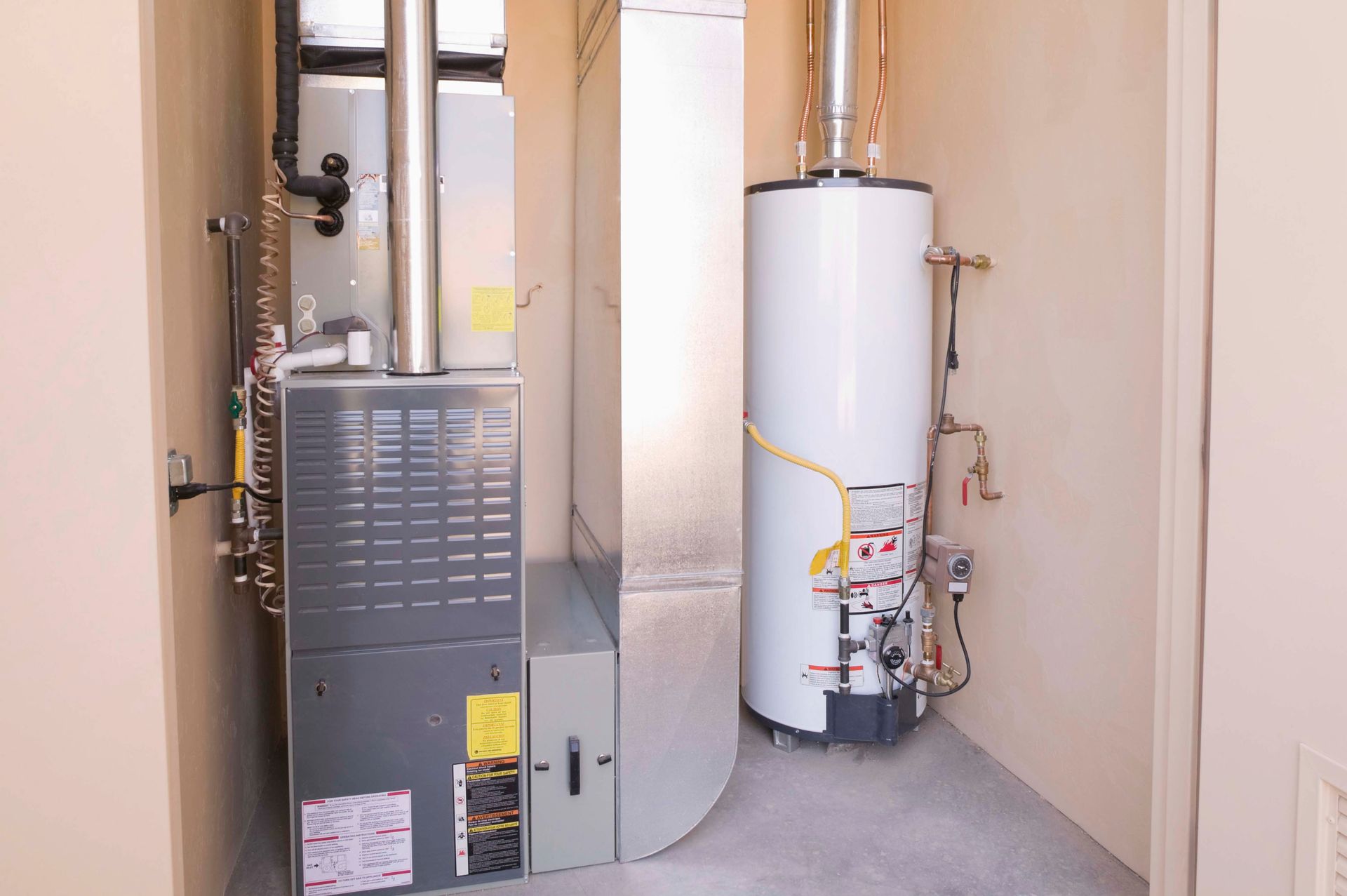
While maintaining air purity focuses heavily on filtration and cleanliness, ensuring the reliable and safe operation of primary heating equipment remains equally critical for preserving indoor atmospheric health. Fuel-burning appliances, such as natural gas or oil furnaces, require precise combustion processes and flawless ventilation to prevent dangerous exhaust gases from entering the living spaces. A neglected heating system can develop cracked heat exchangers, blocked flue pipes, or burner misalignment, all of which can introduce carbon monoxide and combustion particles into the household air supply. Regular preventative maintenance and detailed inspections are vital for identifying these hidden mechanical hazards before they jeopardize the safety of the occupants. Ensuring that heating elements operate cleanly and efficiently minimizes the release of harmful chemical byproducts into the shared domestic environment.
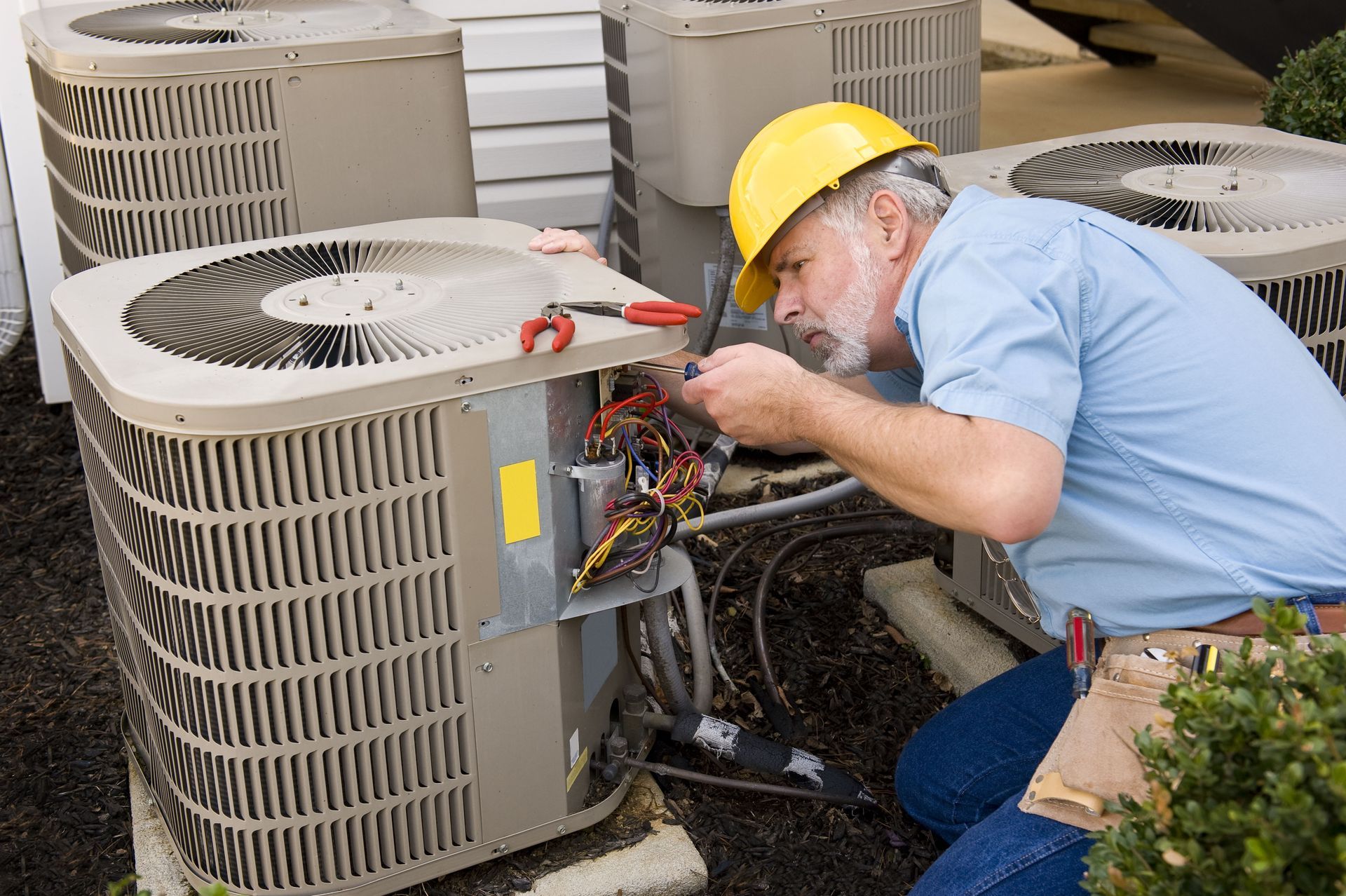
System longevity and atmospheric safety are inextricably linked when it comes to the complex machinery responsible for seasonal warmth. According to Home Advisor, the average lifespan of a well-maintained furnace is about 15 to 25 years. Achieving this impressive operational longevity requires consistent technical attention, which directly prevents the degradation of components that could otherwise release pollutants. Investing in specialized HVAC services for annual checkups allows technicians to clean burners, test safety switches, and verify that exhaust gases exit the property safely. This ongoing care protects the household from sudden mechanical breakdowns while guaranteeing that the heating system continues to support, rather than diminish, indoor air purity. Maintaining this vital equipment ensures a warm, safe, and healthy home environment for decades.
Selecting the right approach to environmental care involves recognizing the profound impact that modern comfort systems have on the quality of every breath taken inside a property. From advanced filtration upgrades and precise moisture management to thorough distribution pathway sanitization and heating equipment preservation, professional HVAC services remain irreplaceable. Entrusting these critical tasks to certified technicians ensures that potential hazards are identified and neutralized before they can impact human health or system performance. Investing in the health of an indoor environment provides lasting peace of mind, protecting families from invisible pollutants and fostering long-term wellness. For property owners seeking exceptional comfort, verified safety, and pristine indoor air quality, partnering with a trusted local expert is the ideal step forward. To establish a healthier, cleaner, and more comfortable indoor environment for your household, contact C & G Heating and Air, Inc.
Share On: