
8 HVAC Features That Matter Most for Indoor Air Quality
Indoor air quality plays an important role in creating a comfortable and healthy home or workplace. Dust, pollen, pet dander, moisture, and other airborne contaminants can affect the air circulating throughout an indoor environment. Your heating and cooling system does more than regulate temperature because its components also influence how air moves, gets filtered, and circulates. Choosing the right features can help reduce airborne particles and maintain more consistent indoor conditions. An experienced HVAC company can evaluate your existing equipment and recommend improvements based on your property's needs. Understanding which system features matter most can help you make informed decisions about indoor air quality. From filtration to ventilation, several components work together to support a cleaner indoor environment.
1. High-Quality Air Filtration
Air filters are among the most important components affecting indoor air quality. They capture particles such as dust, pollen, and pet dander before those contaminants continue circulating through the system. Filter efficiency varies, so homeowners should choose a product that is compatible with their equipment. A filter that is too restrictive can reduce airflow and place unnecessary strain on certain systems. An HVAC company can help determine which filtration option provides an appropriate balance between particle capture and system performance. Filters also need regular replacement because accumulated debris can interfere with airflow. Homes with pets, allergy concerns, or higher dust levels may require more frequent attention. Maintaining the correct filter helps support cleaner air and consistent heating and cooling operation.
2. Proper Indoor Ventilation
Ventilation helps replace stale indoor air with fresh outdoor air when the system is designed to support that exchange. Without adequate ventilation, indoor pollutants can accumulate from everyday activities such as cooking, cleaning, and using household products. Mechanical ventilation solutions can help improve air exchange while maintaining indoor comfort. Depending on the property, options may include fresh air intakes, exhaust fans, or dedicated ventilation equipment. An HVAC company can evaluate whether existing ventilation is sufficient for the building's layout and occupancy. Proper airflow also helps distribute conditioned air more evenly throughout different rooms. Ventilation needs to be balanced with humidity control and energy efficiency to avoid creating additional comfort problems. A well-designed approach can help reduce pollutant buildup and support a fresher indoor environment.
3. Effective Humidity Control
Humidity levels can influence comfort and the overall condition of indoor spaces. Excess moisture may contribute to condensation, musty odors, and conditions that encourage mold growth. Air that is too dry can also cause discomfort, including dry skin and irritation of the nose and throat. Modern heating and cooling equipment can help regulate humidity as part of its operation. Some properties may benefit from additional equipment, such as whole-home dehumidifiers or humidifiers. An HVAC company can assess indoor moisture concerns and determine whether existing equipment is managing humidity effectively. Proper system sizing and operation are important because equipment that runs too briefly may not remove enough moisture. Maintaining balanced humidity helps create a more comfortable indoor environment throughout the year.
4. Consistent Air Circulation
Air circulation helps distribute heated or cooled air throughout a property. When airflow is restricted, certain rooms may become uncomfortable while others receive more conditioned air than necessary. Blocked vents, dirty components, undersized ductwork, and poorly balanced systems can all contribute to uneven circulation. Ceiling fans and properly positioned supply and return vents can also help support air movement. A qualified HVAC company can inspect airflow patterns and identify issues that may be affecting comfort. Regular maintenance helps keep important components operating as intended. Proper circulation also allows filtered air to move through occupied spaces more consistently. Addressing airflow problems can improve comfort while helping the system operate more efficiently.
5. Clean and Well-Maintained Ductwork
Ductwork provides the pathways that carry conditioned air between the heating and cooling equipment and individual rooms. Over time, dust and debris may accumulate inside ducts, particularly when filters are neglected or gaps allow contaminants to enter. Damaged or poorly sealed ducts can also allow dust from attics, crawl spaces, or wall cavities to enter the airflow. Routine inspections help identify visible damage, disconnected sections, and other concerns. An HVAC company can determine whether duct cleaning, sealing, or repairs are appropriate for the property's system. Keeping ducts in good condition supports more reliable airflow and helps reduce unwanted air leakage. Not every system needs frequent duct cleaning, so recommendations should be based on actual conditions. Maintaining clean, properly sealed ductwork contributes to better overall system performance.
6. Energy-Efficient System Operation
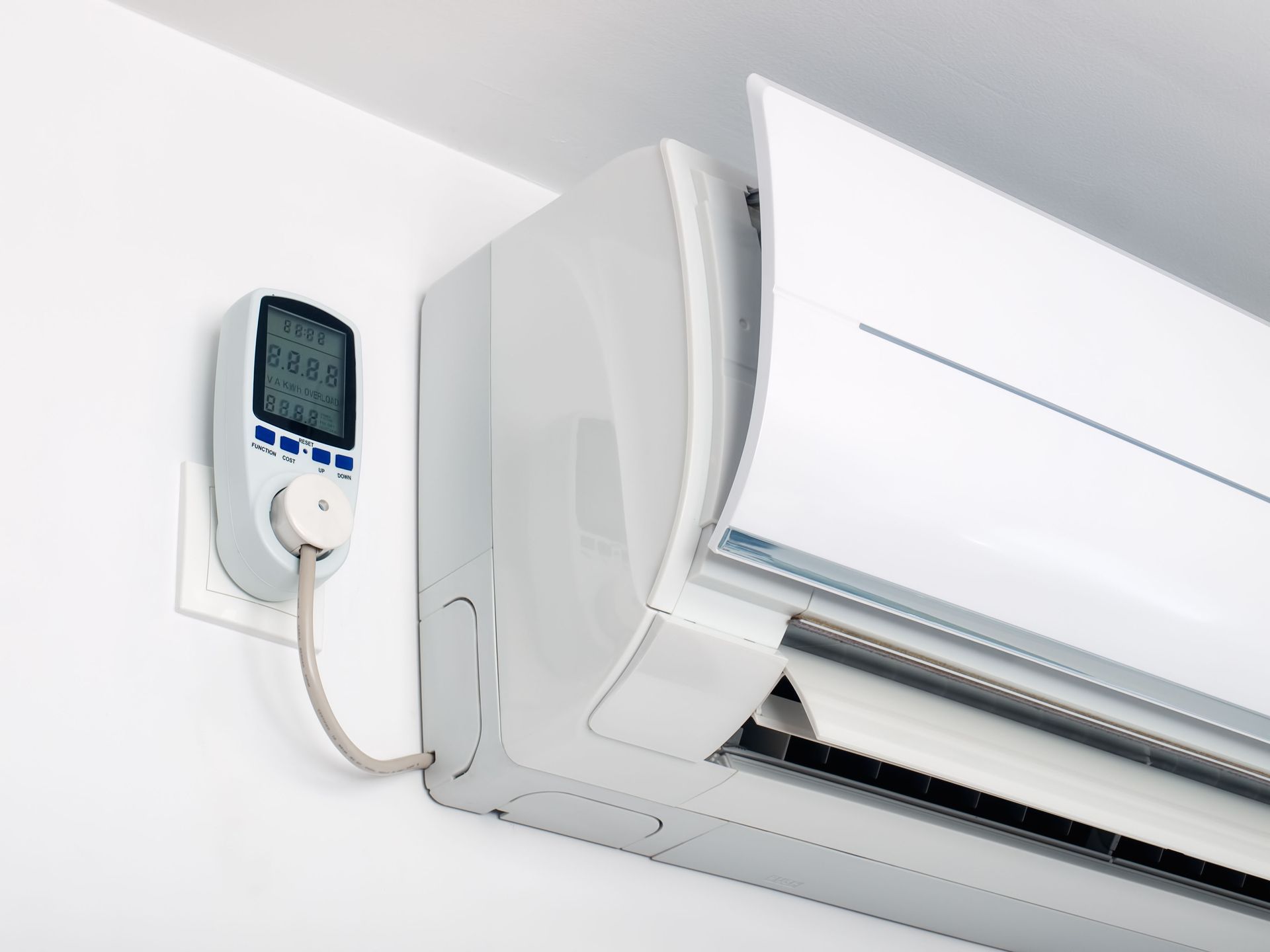
Energy efficiency is another feature worth considering when evaluating heating and cooling equipment. Systems that operate efficiently can help maintain comfortable indoor temperatures while managing electricity consumption. Seasonal Energy Efficiency Ratio ratings provide one way to compare the cooling efficiency of air conditioning equipment. According to HomeGuide, HVAC systems generally have SEER ratings ranging from 13 to 26, depending on the manufacturer and model. Higher ratings indicate greater cooling efficiency under standardized testing conditions. However, efficiency alone does not determine indoor air quality, since filtration, ventilation, and maintenance also matter. An HVAC company can help compare equipment options and explain which features are appropriate for your property. Selecting properly sized equipment with suitable efficiency ratings can support dependable comfort and responsible energy use.
7. Advanced Air Purification Options
Standard air filters capture many common airborne particles, but some properties may benefit from additional air treatment equipment. Depending on the system, available options may include electronic air cleaners, upgraded filtration, or other purification technologies. These products are designed to address different types of airborne contaminants, so their capabilities should be evaluated carefully. Some technologies target particles, while others are intended to address certain odors or microorganisms. Homeowners should avoid assuming that every purification product removes every type of pollutant. A knowledgeable HVAC company can explain which options are compatible with existing equipment and what results can reasonably be expected. Proper installation and maintenance are important for these systems to perform as intended. Choosing an appropriate solution can complement standard filtration and ventilation measures.
8. Routine Maintenance and System Inspections
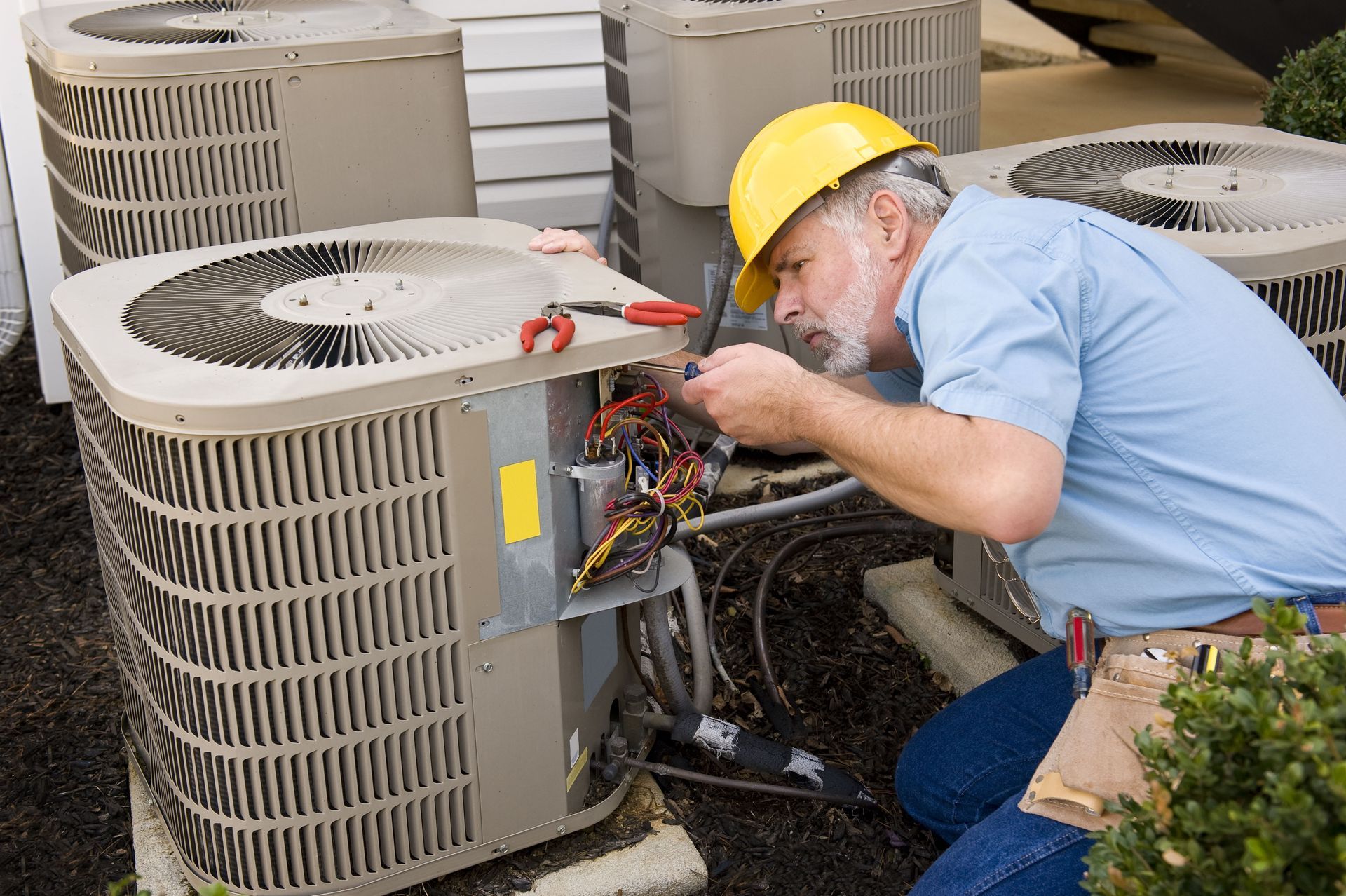
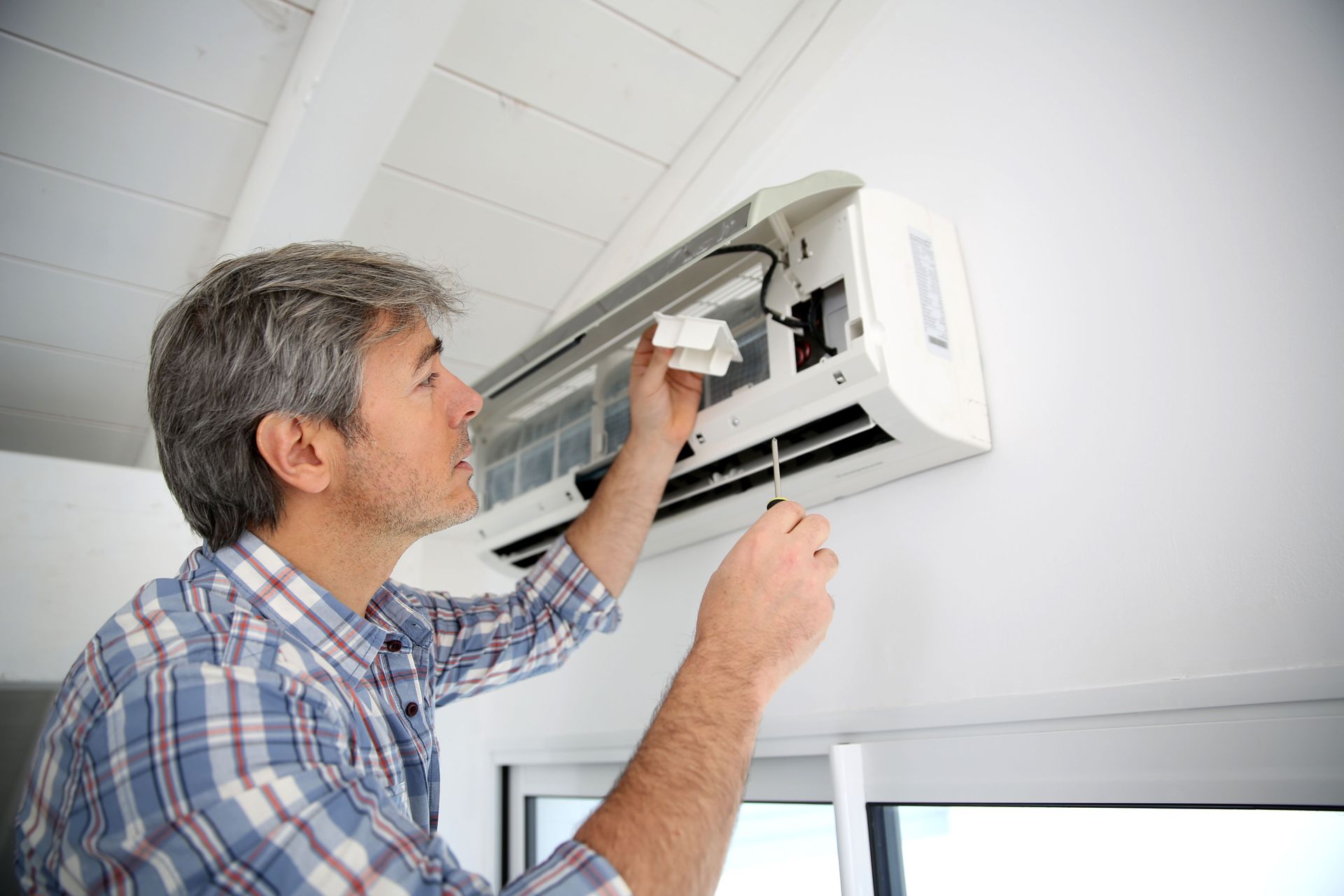
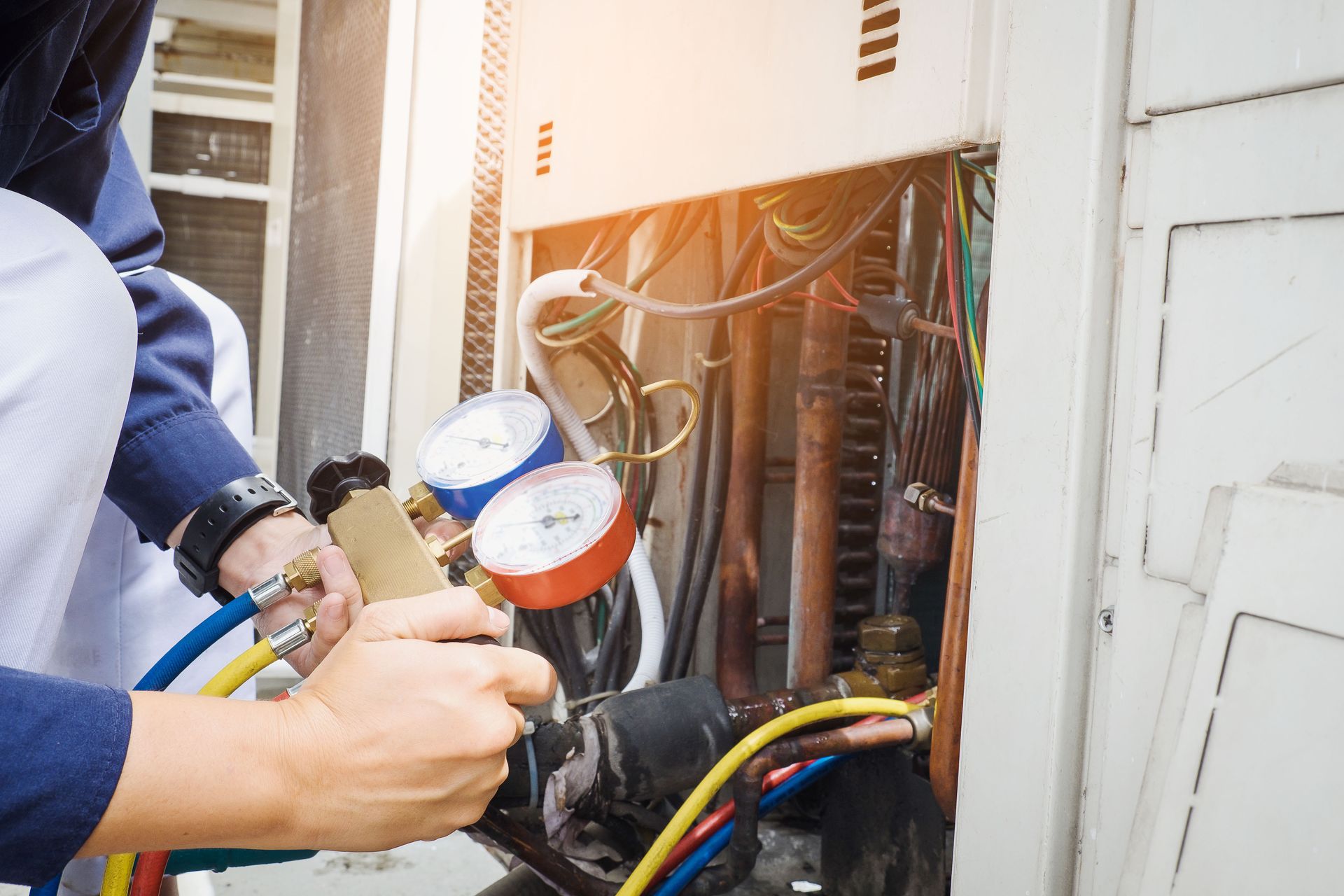
Even a well-designed heating and cooling system needs regular maintenance to continue operating effectively. Dirty coils, clogged filters, drainage problems, and worn components can affect performance and indoor comfort. Routine inspections allow technicians to identify developing issues before they lead to larger equipment problems. Maintenance appointments may include checking electrical connections, examining system components, inspecting drainage, and evaluating airflow. An HVAC company can also recommend service intervals based on equipment type, usage, and manufacturer guidance. Homeowners should replace filters as recommended and keep supply and return vents clear. Consistent maintenance helps preserve system performance and supports the operation of important air quality features. Making professional inspections part of your home maintenance routine can help keep indoor conditions more comfortable throughout the year.
Indoor air quality depends on several features working together, including filtration, ventilation, humidity control, airflow, and routine maintenance. Evaluating these components can help identify opportunities to improve comfort and address concerns with the air circulating throughout your property. Taking a closer look at your system's capabilities can help you identify practical ways to improve the air your family breathes every day. C & G Heating and Air, Inc can help you understand your heating and cooling system and determine which improvements may be appropriate. Contact us to discuss your indoor air quality concerns and schedule professional HVAC service.
Share On: